
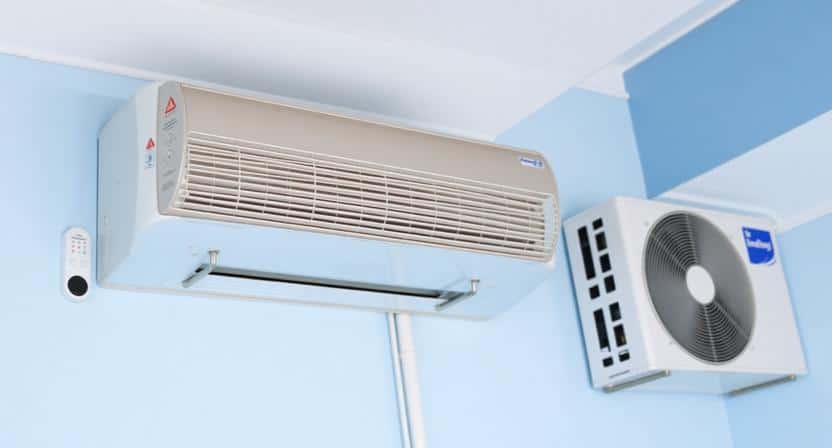
Malaysia’s warm and humid climate makes reliable heating, ventilation, and air conditioning systems an important part of modern buildings. From residential properties and offices to shopping centers, hotels, factories, and commercial facilities, HVAC systems help maintain comfortable indoor temperatures and improve air quality. Understanding the role of HVAC Malaysia solutions can help property owners choose systems that match their needs while supporting energy efficiency and long-term performance.
Understanding HVAC Systems
HVAC stands for heating, ventilation, and air conditioning. Although heating requirements are generally limited in Malaysia’s tropical environment, ventilation and air conditioning play major roles in maintaining indoor comfort. A properly designed system can regulate temperature, control humidity, circulate fresh air, and reduce indoor pollutants.
Different buildings have different requirements. A small home may only need several split air-conditioning units, while a large office or commercial facility may require centralized cooling, ventilation equipment, ductwork, and advanced control systems. Selecting the right setup depends on building size, occupancy, usage patterns, insulation, and cooling requirements.
Importance of Air Conditioning in Malaysia
Malaysia experiences high temperatures and humidity throughout much of the year. Excessive indoor heat can make homes and workplaces uncomfortable and may affect productivity. Efficient air-conditioning systems provide consistent cooling while helping manage humidity.
Modern HVAC equipment can also include smart controls that allow users to adjust temperatures and operating schedules. These features can reduce unnecessary energy consumption by ensuring that cooling systems operate according to actual building needs.
Ventilation and Indoor Air Quality
Ventilation is another important component of HVAC Malaysia solutions. Indoor air can contain dust, odors, moisture, and other pollutants. Without adequate ventilation, these contaminants may accumulate over time.
Proper ventilation introduces fresh outdoor air while helping remove stale indoor air. Commercial buildings such as offices, restaurants, hospitals, and educational facilities may require carefully designed ventilation systems to maintain suitable indoor environmental conditions.
Energy Efficiency Matters
Air conditioning can represent a significant portion of electricity consumption in Malaysian buildings. Choosing energy-efficient equipment and maintaining it properly can help reduce operating costs.
Regular maintenance is particularly important. Dirty filters, blocked airflow, refrigerant problems, and poorly maintained components can reduce system performance and increase energy use. Routine inspections, cleaning, and servicing can help HVAC systems operate more efficiently and extend equipment life.
Choosing the Right HVAC Solution
When selecting an HVAC system, property owners should consider more than the initial purchase price. Equipment efficiency, installation quality, maintenance requirements, durability, noise levels, and expected operating costs are all important factors.
Professional assessment can help determine the appropriate cooling capacity and system design. An oversized or undersized system may lead to inefficient operation and inconsistent indoor comfort. Proper installation is equally important because even high-quality equipment can perform poorly when incorrectly installed.
Conclusion
HVAC Malaysia solutions play an essential role in maintaining comfortable, healthy, and productive indoor environments. With the country’s warm and humid climate, effective cooling and ventilation are valuable for both residential and commercial properties. By selecting suitable equipment, prioritizing energy efficiency, and following a regular maintenance schedule, building owners can improve comfort while managing long-term operating costs. A well-planned HVAC system is therefore an important investment in the performance and usability of modern Malaysian buildings.